UK-EU health security deal will not address ‘underlying’ cause of medicines shortages
Neil Trainis,
16 Nov 2026 2 Min

Neil Trainis,
16 Nov 20262 Min
Neil Trainis,
16 Nov 20262 Min


The Company Chemists’ Association (CCA) chief executive Malcolm Harrison has warned a deal being struck between the UK and the European Union to share intelligence on medicines supplies, expected to be unveiled during Friday’s post-Brexit reset summit, will fail to stop shortages unless Labour increases the amount it pays for drugs.
A health security agreement is being finalised setting out improved lines of communication and better intelligence sharing so the UK and EU can more effectively inform one another where shortages are occurring and how best to obtain supplies, according to The i Paper.
It is hoped the deal will improve collaboration between the EU and UK as they try to improve supply which has been hit by post-Brexit trade barriers and the Iran war.
This month, pharmacists warned the closure of the Strait of Hormuz amid the ongoing conflict between the US and Iran was impacting supplies of blood pressure, heart and cancer drugs to the UK.
Pharmacies in the UK have also reported shortages of Creon, which is used to treat people who cannot digest food normally because their pancreas does not make enough enzymes, the hormone replacement therapy Estradot and epilepsy and ADHD drugs.
The EU Critical Medicines Act, which was finalised in the summer and allows EU members to purchase products produced in the bloc, does not include the UK.
Independent Community Pharmacist (ICP) has contacted the EU for clarification on whether the health security agreement will allow the UK to access drugs through the Critical Medicines Act.
Governments driving down then price of medicines
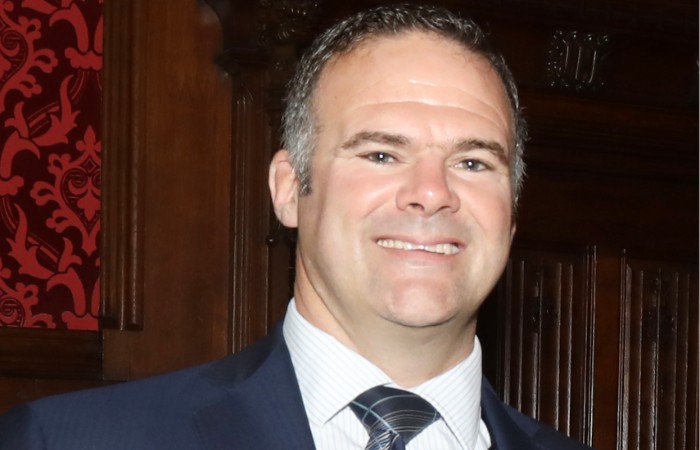
Harrison (pictured) welcomed the agreement, insisting any deal “that helps the UK Government identify and respond to potential medicine shortages is good news for patients”.
However, he warned successive Governments driving down the price of medicines, particularly generics which make up about four-fifths of NHS-prescribed medicines, was the root cause of shortages in the UK.
“Whilst this has saved the taxpayer money, it has also led to some manufacturers and suppliers prioritising other global markets,” Harrison said.
“The Government must recognise the value and not just the cost of medicines. They need to invest in medicines pricing and community pharmacies, which buy and supply around 1.2 billion NHS-prescribed items each year.
“Doing so, will ensure that the UK is a more attractive market to global manufacturers and suppliers. Patients should be able to walk into their local pharmacy confident that the medicine they have been prescribed will be available.”
The CCA hosts the Medicines Supply Resilience Group, which brings together pharmaceutical wholesalers, manufacturers and pharmacy groups to find ways to improve medicines supply. ICP has contacted the Department of Health and Social Care for a response.